Congratulations, You’ve Been Hired as the Night Clerk at Whistlewood Toy Company.Landing a job as a clerk at an old toy factory might sound simple — just paperwork, hourly reports, and keeping things organized. But when the offer letter comes from Whistlewood Toy Company, a century-old factory famous for its handmade dolls and mechanical toys, things start to feel… different.
The position? Night Clerk. The pay? $3,200 per week. The schedule? 11:00 PM to 6:00 AM. Sounds like a dream, right? But as every seasoned clerk knows, every job has its fine print — and at Whistlewood, those fine prints are written as rules.
Section 1 – First Day on the Night Shift
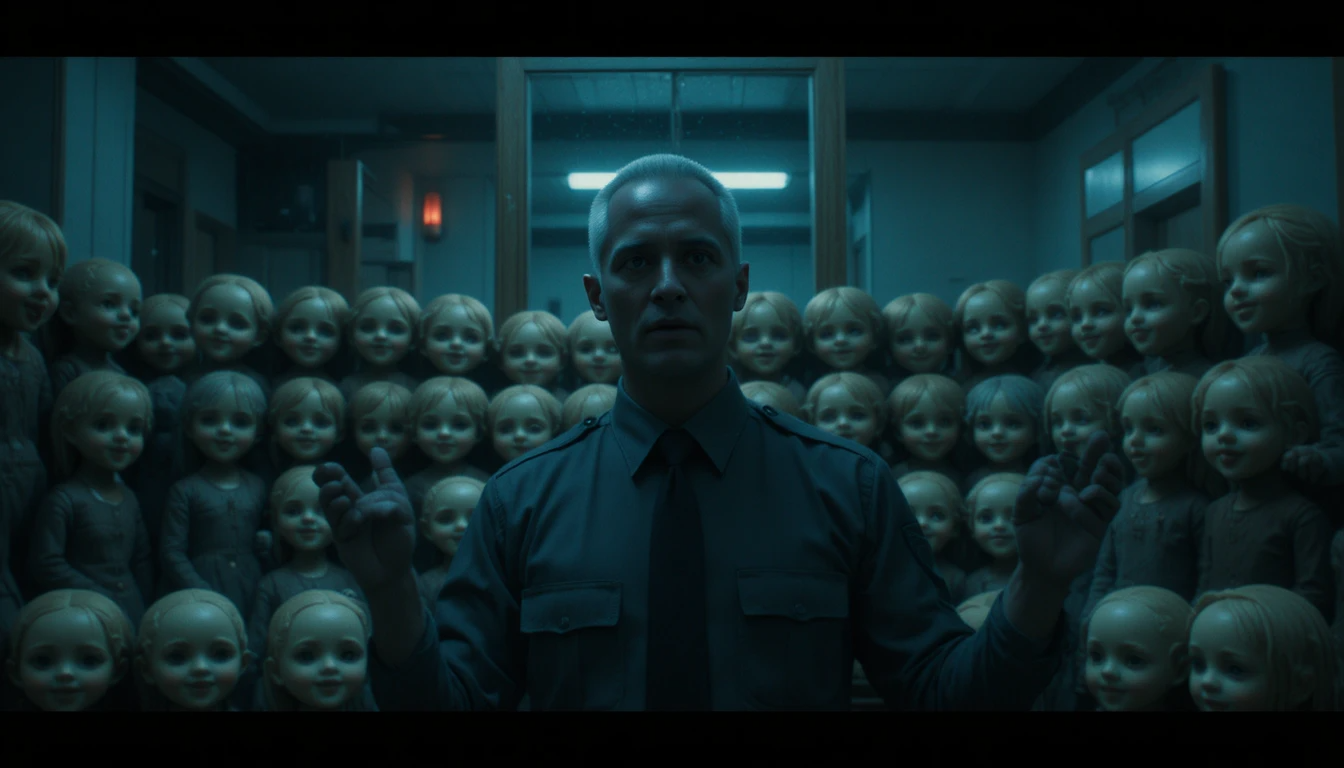
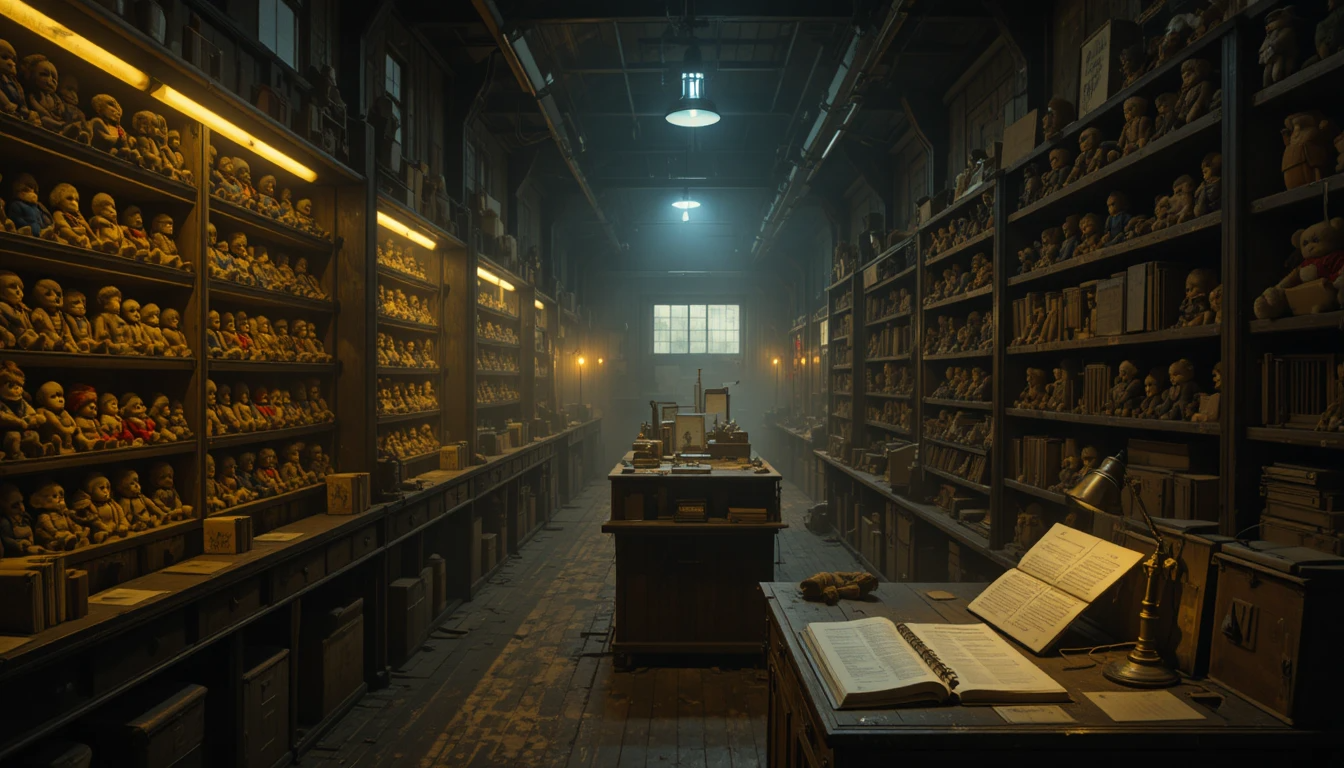
Your first night as the night clerkbegins with silence. The factory floor is still, and the air carries the scent of old wood and machine oil. Rows of dolls, teddy bears, and tin soldiers line the aisles — perfect, polished, and unsettlingly lifelike.
On your desk, you find a faded clipboard and a typed note from management. It reads:
“Welcome to the Whistlewood family. Keep the lights on. Log hourly reports. Follow the rules — especially Rule No. 7.”
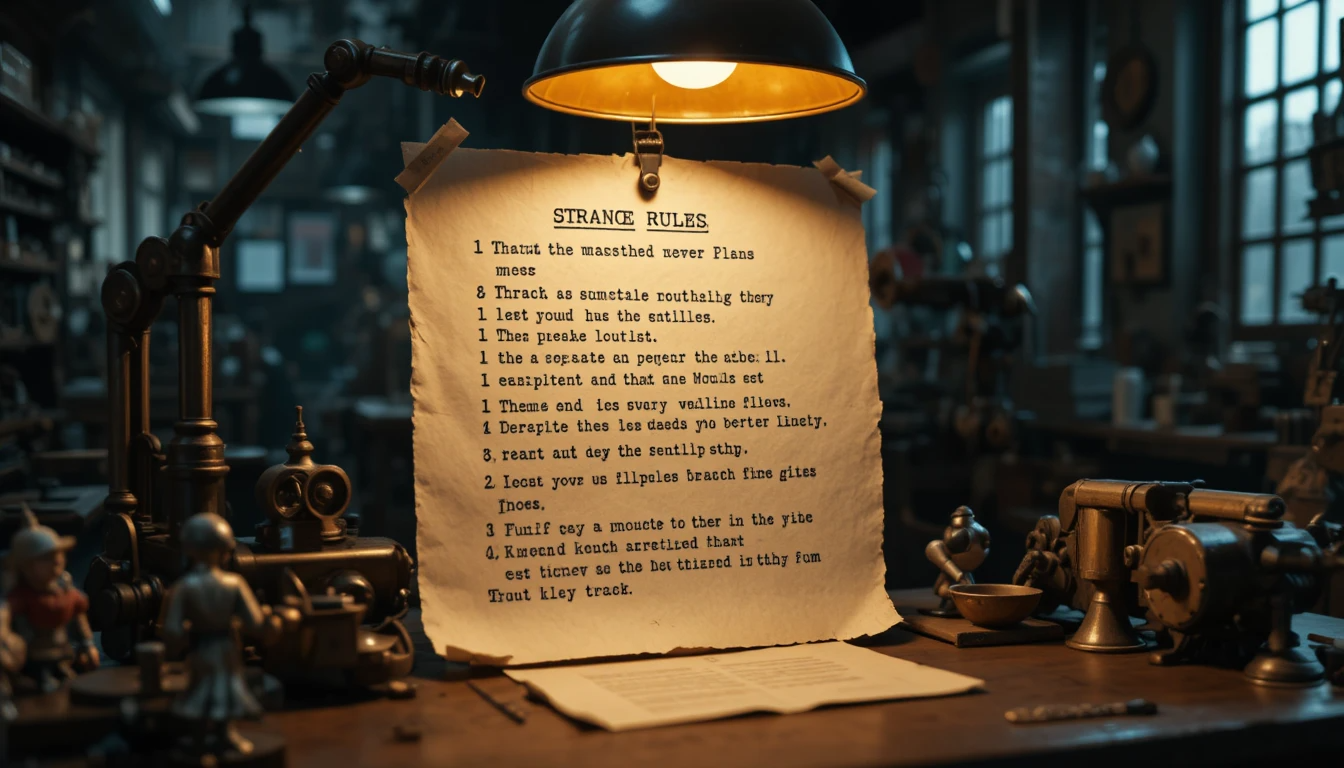
As a clerk, following instructions is second nature. You flip the note and find a full list of rules taped neatly on the back.
Section 2 – The Rules of the Factory
Every clerk knows that rules exist for a reason, but at Whistlewood, they seem more like survival tips. Here’s what they say:
Rule No. 1:
At 11:11 PM, all factory clocks will reset to midnight. Don’t fix them. Write “It’s begun” in the logbook and stay at your station.
You follow it precisely, your pen shaking as every clock ticks backward in perfect synchronization.
Rule No. 2:
If you hear something running between the conveyor belts, don’t investigate. The toys like to test their joints when no one’s watching.
You remember this rule the hard way — the first time you heard tiny footsteps across the floor, echoing like the patter of a child’s shoes.
Clerk
Section 3 – The Clerk’s Duties and Dangers
Being a clerk isn’t supposed to be this intense. You were trained to manage reports, not haunted machines. But your job description doesn’t just say “watch the factory.” It says, keep the toys in their places.
During your rounds, you pass the doll aisle. At first, the faces are blank and familiar — but then, one smiles wider than before. Your instincts kick in. You flip the light switch, count backward from ten, and when the lights come back on, the smile is gone.
You breathe, write in your logbook, and continue your shift like a professional night clerk should — calm, cautious, and compliant.
Section 4 – The Whistlewood Jingle
At exactly 3:00 AM, the factory intercom comes alive with static, then plays a tune you’ve never heard before — the old Whistlewood jingle.
“Whistlewood toys, made with cheer, Bringing joy year after year.”
You remember Rule No. 4 — sing along, even if you don’t know the words.
So you hum. Then sing. The dolls sway gently on their shelves, as if listening. Somewhere behind you, something soft claps along.
Section 5 – The Red Door and the Stuffed Bear
Every job has restricted areas. For a clerk, that’s usually the accounting office or archives. But here, the restriction is different.
Rule No. 5:
Never open the red door marked Employee Storage. The man behind it was fired in 1964, but he still clocks in.
You pass by that door every hour. The light above it flickers like a heartbeat. Once, you think you hear a punch clock ring inside. You log the time and move on.
Then there’s Rule No. 6:
If you see the stuffed bear on the counter wave at you, wave back. Ignoring it is considered rude.
Tonight, you see it — the large brown bear from the company logo, sitting upright on the counter. It raises one paw. You raise yours in return. Its stitched mouth curls slightly upward.
Section 6 – When Rules Are Broken
Every clerk knows mistakes can cost you — but here, mistakes mean more than lost pay.
You once forgot to log your 2:00 AM entry. The next morning, the paper was already filled out — written in a childlike hand. The words read:
“It won’t happen again.”
That’s Rule No. 7:
If you break a rule, say, “I acknowledge my mistake. It won’t happen again.” Then pray you’re not the next product off the line.
The meaning hits you slowly. The toys here aren’t just made — they’re replaced.
Section 7 – Behind the Factory’s History
Whistlewood Toy Company wasn’t always eerie. Old newspaper clippings on the wall tell of its glory days in the 1950s — hundreds of employees, record-breaking sales, and a founder named Arthur Whistlewood, known for creating “toys that felt alive.”
But in 1964, a fire broke out in the west wing, killing several workers. The factory reopened a year later — smaller, quieter, and almost automated. Since then, only a few positions remained, including one critical: night clerk.
You begin to suspect your role isn’t to watch the factory — it’s to keep it from watching the world.
Section 8 – A Job Unlike Any Other
Working as a clerk is about responsibility — organization, documentation, and trust. But in Whistlewood, it’s also about survival.
Each night, you complete your tasks:
Keep the lights on
Record every noise, flicker, and change
Follow every rule
And each dawn, you walk out alive, paycheck in hand. The money is real. The fear is too.
Section 9 – The Secret of Whistlewood
One night, the intercom clicks again. A voice whispers:
“Thank you for your service, Clerk. New toys need new caretakers.”
The next morning, your reflection in the security glass doesn’t blink in sync with you. The stuffed bear waves one last time.
The factory gates close. Another job posting appears online:
“Hiring: Night Clerk. No experience required. $3,200/week. Must follow rules.”
And most importantly — understand that some jobs pay for a reason.
Being a night clerk here isn’t just employment; it’s endurance. The factory doesn’t need you to keep it running — it needs you to stay put, to watch, and to acknowledge.
Conclusion – Would You Take the Job?
Every job has its price, and every clerk has their breaking point. Whistlewood Toy Company offers money, stability, and… something else.
If you ever get that offer — with its strange rules and midnight shifts — ask yourself one question before signing:
What happens when the toys stop moving, and you realize you’re the only one left who can hear the jingle?
10 thoughts on “The Mysterious $3,200 Weekly Night Clerk Job Revealed”
Thank you for your sharing. I am worried that I lack creative ideas. It is your article that makes me full of hope. Thank you. But, I have a question, can you help me?
Thank you for your sharing. I am worried that I lack creative ideas. It is your article that makes me full of hope. Thank you. But, I have a question, can you help me?
Thank you for your sharing. I am worried that I lack creative ideas. It is your article that makes me full of hope. Thank you. But, I have a question, can you help me?
Thank you for your sharing. I am worried that I lack creative ideas. It is your article that makes me full of hope. Thank you. But, I have a question, can you help me? https://www.binance.info/ph/register?ref=IU36GZC4

Thank you for your sharing. I am worried that I lack creative ideas. It is your article that makes me full of hope. Thank you. But, I have a question, can you help me?
Thank you for your sharing. I am worried that I lack creative ideas. It is your article that makes me full of hope. Thank you. But, I have a question, can you help me?
Thank you for your sharing. I am worried that I lack creative ideas. It is your article that makes me full of hope. Thank you. But, I have a question, can you help me? https://accounts.binance.com/register-person?ref=IHJUI7TF
Your point of view caught my eye and was very interesting. Thanks. I have a question for you.
Thank you for your sharing. I am worried that I lack creative ideas. It is your article that makes me full of hope. Thank you. But, I have a question, can you help me?
Thanks for sharing. I read many of your blog posts, cool, your blog is very good. https://www.binance.info/da-DK/register?ref=V3MG69RO
Thank you for your sharing. I am worried that I lack creative ideas. It is your article that makes me full of hope. Thank you. But, I have a question, can you help me? https://accounts.binance.com/sl/register-person?ref=I3OM7SCZ
Thanks for sharing. I read many of your blog posts, cool, your blog is very good.
Thank you for your sharing. I am worried that I lack creative ideas. It is your article that makes me full of hope. Thank you. But, I have a question, can you help me? https://www.binance.info/ph/register?ref=IU36GZC4
Thanks for sharing. I read many of your blog posts, cool, your blog is very good.