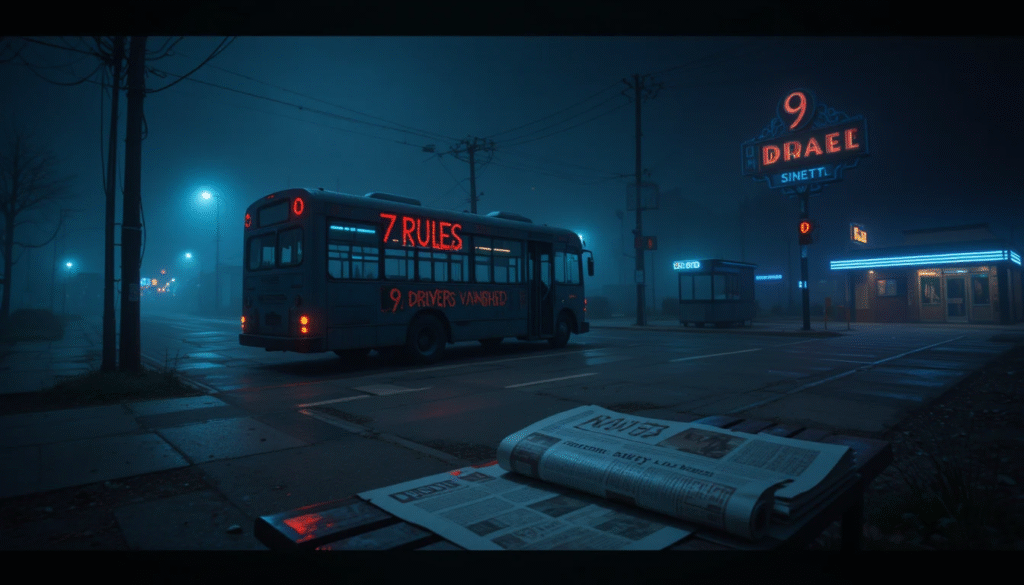

Congratulations. You’ve been hired as the new night driver for Route Zero.The envelope is in your hands. Its weight is negligible, but the burden it contains is immeasurable. $7,000 a week, cash. No taxes. No questions. In a world of grinding bills and dead-end jobs, an offer like that isn’t just tempting; it’s a siren song. You’ve read the six rules, scrawled in that unsettling crimson ink. You think you understand. You don’t. This isn’t a job; it’s a covenant with the hours when reality sleeps. Let this be your only manual, written not by dispatch, but by the echoes of those who came before you. Consider it your first and last act of self-preservation.
Understanding Your Route: More Than a Line on a Map
Route Zero is not a public service. It is a transit system for things that are between places, for passengers who have paid fares of a different currency. The line that runs only after midnight exists in the liminal space—the threshold between today and tomorrow, the living and the elsewhere. Your bus is a steel-and-glass vessel navigating a current of unseen rules. The pay is unbelievable because what is asked of you is beyond belief. You are not a driver in the traditional sense; you are a conductor maintaining a precarious balance. Every stop is a point of intersection, and every rule is a shield against the crossing of boundaries that should remain fixed.
A Deeper Dive into the Crimson Code: The Six Rules Deciphered
The rules are not suggestions. They are absolute laws of physics for the world you now inhabit. To treat them lightly is to unravel your own existence.
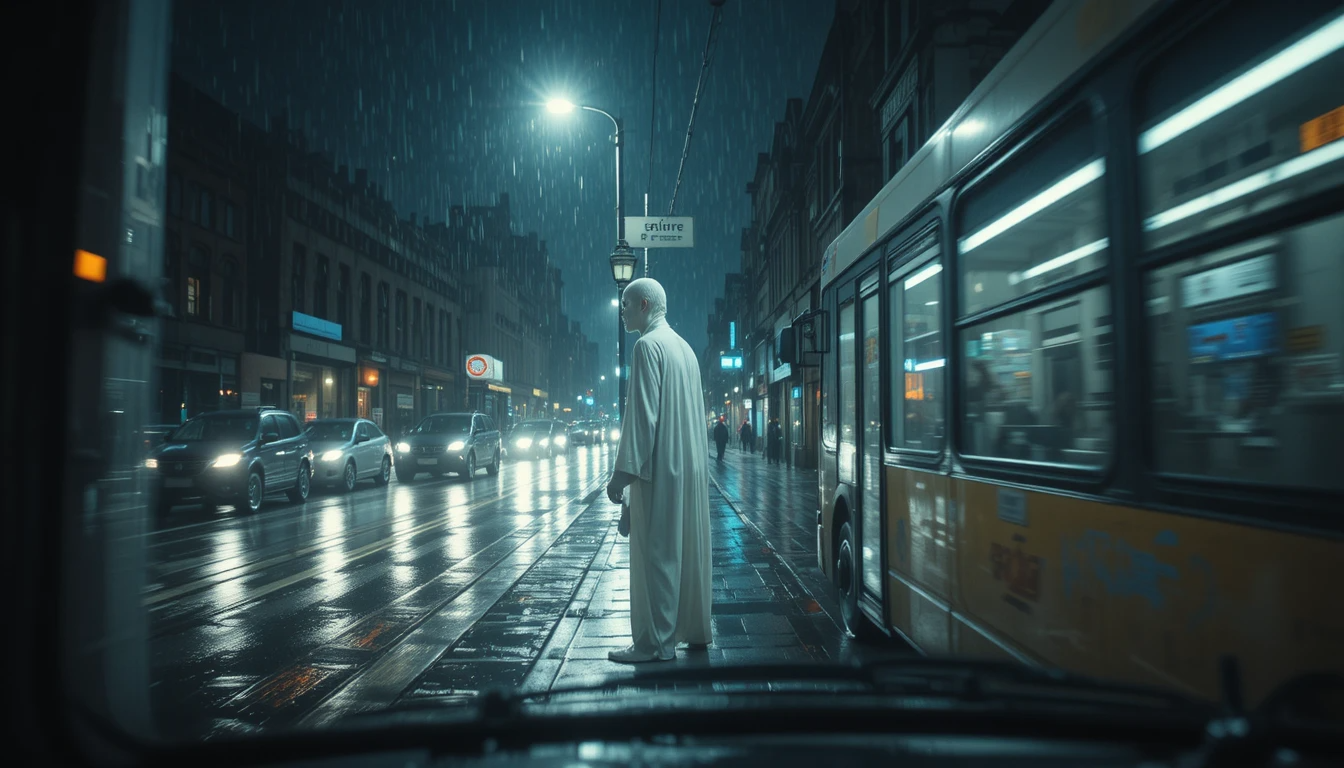
Rule No. 1: The 12:00 AM Sharp Departure and the Figure in White.
Punctuality here isn’t about professionalism; it’s about alignment. Midnight is a pivot point. The bus must be moving as the final chime fades, syncing with the shift in the world’s gears. The first stop is your first test. The person wearing white isn’t waiting for a ride. They are an end-point. They have “already reached their destination,” a euphemism you should not dwell on. To stop for them is to offer a service to a closed account, to invite a conclusion onto your bus. Skipping them isn’t cruelty; it’s respecting a completed journey.
Rule No. 2: The Rearview Mirror and What Remembers.
The mirror is a gateway behind you. Before midnight, it reflects the world you know. After, it becomes a window for a permanent passenger. “What you’ll see sitting behind you won’t disappear until sunrise.” It is the constant, silent auditor of your run. The warning that “it remembers who looked first” is paramount. This act establishes a connection, a recognition. It shifts you from an anonymous operator to a known entity. Once known, you can be interacted with, and on Route Zero, interaction is the seed of catastrophe.
Rule No. 3: The Woman and the Breathing Jar.

Attention is a form of currency. The woman at the third stop carries something contained, something that lives and breathes in a space not meant for life. The jar is a prison, a womb, or a terrarium for an idea.
To talk to her or look at her is to acknowledge the contents, to give them energy.
Your mandated ignorance is a quarantine measure. Whatever is breathing in that glass vessel feeds on notice. Starve it.
Rule No. 4: The Tunnel That Doesn’t Exist and the Hands.
Between 1:00 AM and 1:00 AM—a duration that is both a moment and an eternity—you will enter a tunnel absent from all cartography. This is the heart of Route Zero, a fold in the route. The hands brushing your shoulders are the inhabitants of this fold, testing your resolve. They are eager for agency, for the tactile feeling of control. “If you stop, they’ll ask to take the wheel.” This is not a request. To relinquish control here is to surrender your role, your identity, and your path. The bus must remain in motion, a statement of purpose against the stagnant dark.
Rule No. 5: The Bell from the Empty Back Seat.
This is a trap of perception. The bell is a lure, a mimicry of normal bus operation designed to trigger your professional instinct. There is no passenger there. Stopping validates the illusion. And the consequence? You’ll see “your own reflection standing on the road, smiling.” This doppelgänger is not you. It is the version of you that accepted the illusion, that broke the pact. It is you, replaced. To see it is to know you have already failed, that your seat is now vacant.
Rule No. 6: The Protocol for Failure (The Only Mercy).
You will be tempted to think you can cheat, can cut corners. Maybe you can. Once. The sixth rule is your sole, grim lifeline. Acknowledging the mistake aloud is an act of contrition to the rules themselves. Opening the doors is an offering. If “something answers ‘good,’” the transaction is complete. You have confessed your inadequacy. The penalty is not death; it is demotion. You are no longer the driver. You become a passenger on Route Zero, a permanent part of its ecosystem, waiting for the next unlucky soul to take your former seat. Your $7,000-a-week heaven becomes your timeless purgatory.
Beyond the Rules: The Unwritten Realities of the Night Driver
The rules are the framework, but the atmosphere is everything. You will notice patterns: the constant, low hum of the engine that sounds like whispering, the way shadows outside seem to move with purpose just beyond the headlights’ reach, the oppressive silence of your passengers, who never speak, only watch. Trust nothing that seems out of place. Your only allies are the rules and the forward motion of the bus.
The Psychology of Survival: How to Endure
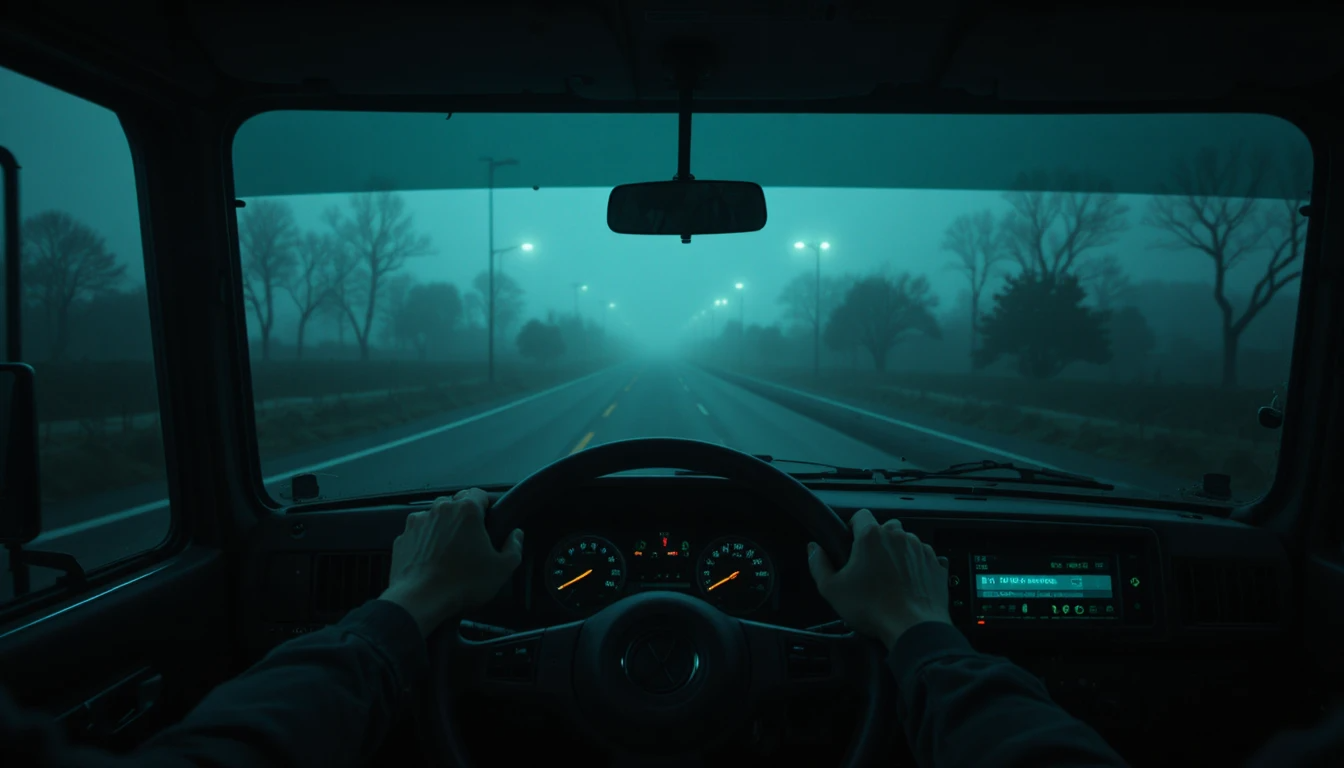
To survive Route Zero, you must bifurcate your mind. The professional part focuses on the mechanics: the steering, the stops, the schedule. The other part must practice a form of willful blindness, a cultivated numbness. Do not be curious. Curiosity is the first step toward eye contact with the woman’s jar, or a glance in the rearview. Your mantra is the route. Your identity is the driver. Nothing more.
Conclusion: Is It Worth It?
$7,000 cash. A week. The math is seductive. But now you know the cost. Route Zero is a line that runs on metaphysics and fear. The envelope you hold is a contract written in red ink and sealed with your courage. The night awaits. The bus is idling. Remember, the most important stop is the one you never make—the stop where you become a passenger in your own nightmare. Good luck. You’ll need it more than you need the money.
Dispatch is waiting. Your first shift starts now.
7 Critical Babysitter Skills That Guarantee Higher Pay Instantly


Pingback: Night Station Attendant: 5 Rules for a Vital Vigil (Hiring Now) - workveez.com